Winter Hazards Awareness Week
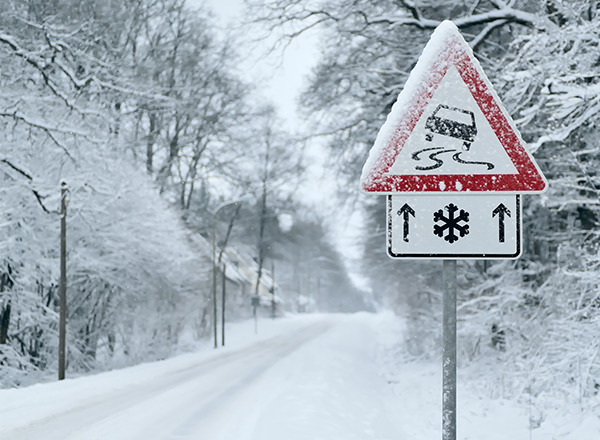
Ready or not, winter is coming.
Governor Gretchen Whitmer has proclaimed November 8-14 as Winter Hazards Awareness Week. The Michigan State Police/Emergency Management and Homeland Security Division (MSP/EMHSD) is encouraging residents to prepare for winter weather and potential hazards associated with snow, ice, and extreme cold.
“Now is the time to prepare – before snow, ice, and freezing temperatures make driving conditions hazardous. Taking a few simple precautions today can help protect you and your loved ones throughout the winter months,” said HFC Campus Safety Emergency Manager Michael Ball. “Whether it's preparing your vehicle, assembling an emergency supply kit, or planning ahead for winter travel, a little preparation can make a significant difference when an unexpected emergency occurs. Remember, the steps you take today could save a life tomorrow – including your own.”
Winter weather can quickly create dangerous conditions, including snow and ice-covered roads, extreme cold, power outages, and hazardous travel. Taking time to prepare before severe winter weather arrives can help protect you and your family.
In the event that classes at the College are cancelled due to inclement weather, students are automatically enrolled in the College’s emergency alert system when they register for classes. The same for employees when they are hired. Notification information can be updated by logging into your HFC account.
Precautions for driving in the snow
HFC is committed to supporting the health and well-being of our community. Since HFC is a commuter school, Ball cannot overemphasize that students (and employees) should take precautions when driving in inclement weather.
- TAKE IT SLOW IN THE SNOW!
- Dial 511 for the latest traffic and weather conditions.
- Let your loved ones know where you’re going and what route you’re taking.
- Make sure your vehicle is completely clear of snow and ice before getting on the road.
- Make sure your windshield wipers are fully functional and your windshield wiper fluid is topped off.
- Have a full tank of gas.
- Do not leave the house without a fully-charged mobile phone, phone charger, and a Car Winter Storm Survival Kit.
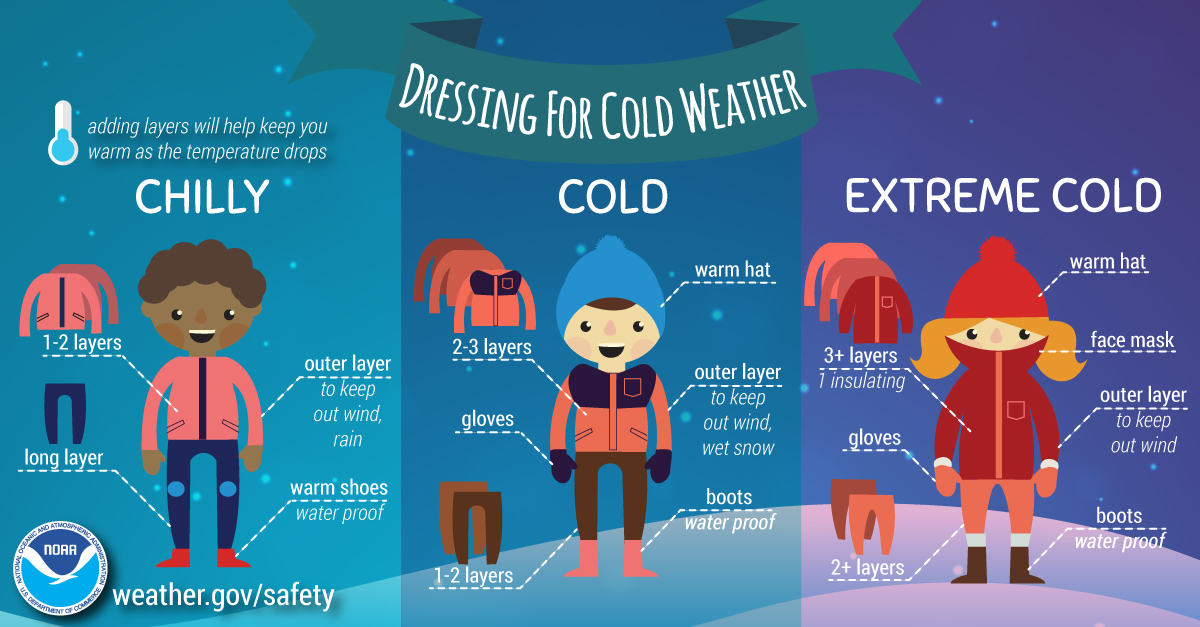
- Dress appropriately for the weather (i.e., hat, gloves, boots, other warm clothes).
- Replace worn tires.
- Have your brakes, brake fluid, oil, battery, heater, and exhaust inspected.
If your vehicle gets stuck in a snowstorm:
- Stay in the vehicle.
- Run the engine for 10 minutes each hour you're stuck to access heat in order to stay warm.
- Make sure to open the window a crack for fresh air when running the engine to avoid carbon monoxide poisoning.
- Make sure the exhaust isn’t blocked by snow to prevent carbon monoxide poisoning.
- Turn on the interior light at night when running the engine.
- After the snow stops falling, raise the hood of your vehicle to indicate that you need help.
- Make sure you have emergency provisions, such as non-perishable food and bottled water.
“Cold weather can be tough on your vehicle’s battery, especially if it’s more than 2-3 years old. Most auto parts stores offer free battery testing, so a quick check now could prevent a dead battery on a freezing winter morning,” said Ball. “Remember, Campus Safety offers jump-start and vehicle lockout assistance to students and employees. Whether you need help in a parking lot or elsewhere on campus, we're here for you.”
After the storm
In the aftermath of a winter storm, it’s very tempting for you to want to relieve that cabin fever and get back on the road. Before you do that, keep in mind:
- Melting snow can cause floods.
- Partially cleared roads may either be icy or blocked.
- Bodies of water often overflow from the rush of melting snow and ice, spilling onto the roads, also causing floods.
- Heavy snow may have knocked down power lines or caused gas leaks, both of which are deadly, but are not obvious at first glance.
Follow these tips to stay safe in the aftermath of a winter storm:
- Stay informed by tuning into the local news or dialing 511 for updated information on weather and road conditions.
- Avoid flooded roads and other roadway hazards.
- Slow down. Take extra time getting to where you’re going. You may have to leave your home earlier than normal.
“Michigan winters are unpredictable. In the last year alone, we’ve seen up to four feet of snow fall in a single event,” said MSP/EMHSD Deputy State Director of Emergency Management Capt. Kevin Sweeney. “Even a routine winter storm system can create dangerous conditions. That’s why we encourage everyone to take a few simple steps now to stay safe in the months ahead.”
Reliable resources
For more information on how to prepare before, during, and after an emergency or disaster, visit the following:
- The National Weather Service
- MIReady
- MSP/EMHSD on X and Facebook
You can contact Campus Safety at 313-845-9630 or campussafety@hfcc.edu.